
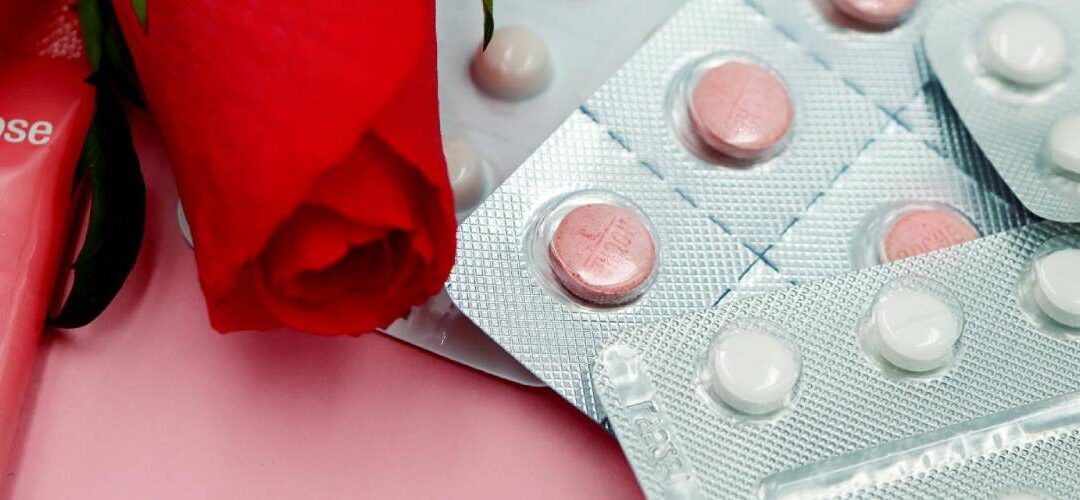
Before we dive into IUDs, just a quick PSA: Talk to your doctor before choosing any method. Some forms of birth control aren’t safe if you have certain medical conditions. Want the nerdy version? Here’s the official CDC guideline: US Medical Eligibility Criteria Chart
Now let’s break down one of the most low-maintenance, high-impact birth control options out there: the IUD.
Wait… What’s an IUD Again?
An IUD—short for intrauterine device—is a tiny, T-shaped piece of plastic that lives inside your uterus and prevents pregnancy. It’s inserted by a doctor and lasts for years. Once it’s in, you’re covered.
There are two types:
- Non-hormonal IUD (Copper)
- Hormonal IUD (Levonorgestrel)
Let’s talk about both!
The Copper IUD (aka ParaGard)
How long it lasts: Up to 10 years
No hormones. Just copper.
Why people love it:
- Set it and forget it—no daily pills or weekly patches.
- Doesn’t interrupt sex or mess with your hormones.
- Can be used right after childbirth or abortion.
- Doubles as emergency contraception if inserted within 5 days of unprotected sex.
- Totally safe if you’re breastfeeding.
- Fertility bounces back fast once it’s removed.
The possible downsides:
- Your periods might be heavier or more crampy, especially at first.
- Some spotting or backaches may pop up.
- It doesn’t protect against STIs—so you’ll still want to use condoms if needed.
- Needs to be inserted (and removed) by a doctor.
- Can be a bit pricey if not covered by insurance.
Rare but important stuff:
- It can move or slip out (rare, but it happens).
- Infections can occur after placement.
- If you get pregnant with the IUD in place—it’s rare, but it needs urgent medical attention.
Call your doctor if you have severe cramps, heavy bleeding, fever, weird discharge, or a positive pregnancy test.
The Hormonal IUDs: Mirena, Liletta, Kyleena, and Skyla
How long they last:
- Mirena / Liletta: Up to 8 years
- Kyleena: 5 years
- Skyla: 3 years
These IUDs release small amounts of the hormone levonorgestrel, which helps prevent pregnancy—and often makes your periods way easier to handle.
Why people love them:
- Super long-lasting and reliable.
- Can lighten or stop your period (yes, really!).
- May reduce cramps and PMS.
- Can be used right after birth or an abortion.
- Discreet and private—nothing to remember.
- Fertility comes right back once it’s out.
- Works as emergency contraception if placed within 5 days of unprotected sex.
- Totally safe if you’re nursing.
The possible downsides:
- Some people get spotting or cramps at first—your body’s just adjusting.
- Your partner might feel the strings during sex.
- Doesn’t protect against STIs.
- Needs to be placed by a healthcare provider.
Rare but serious stuff:
- The IUD can move or fall out.
- You could get an infection after it’s placed.
- If you get pregnant while it’s in, that’s a medical emergency—call your doctor right away.
If you experience heavy bleeding, pain, fever, or a positive pregnancy test, don’t wait—get it checked out.