
Before we dive into this article topic, keep in mind…
The best birth control is the one that fits your needs, preferences, and health conditions. Some methods work long-term, some require daily commitment, and others are perfect for people who want hormone-free options. But before choosing anything, here’s the golden rule: talk to your doctor. Certain birth controls are a no-go depending on your health history, so getting professional guidance is key.
Your Healthcare provider may use the U.S. Medical Eligibility Criteria for Contraceptive Use to help in deciding the right fit for you.
Here’s the official CDC guideline: US Medical Eligibility Criteria Chart
What is it?
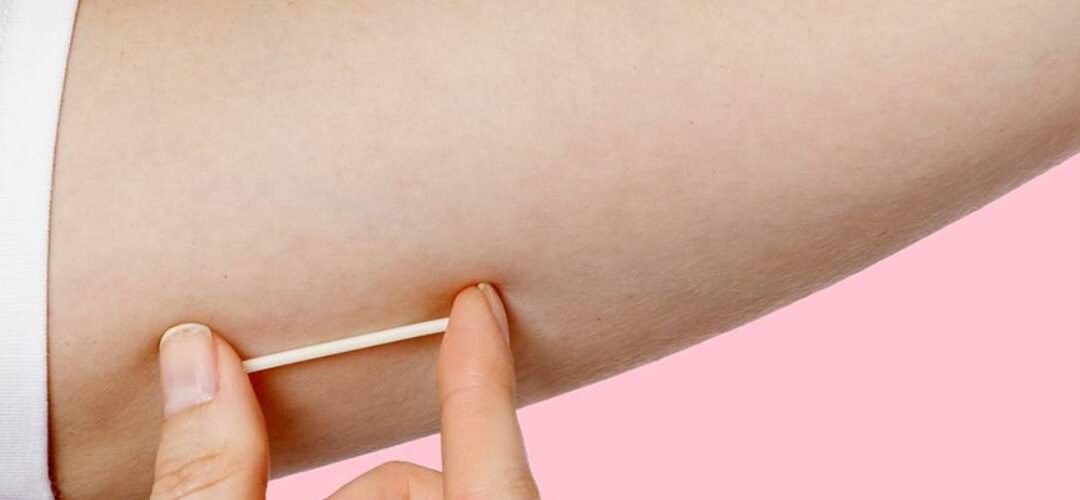
Nexplanon is a tiny, flexible rod (about the size of a matchstick) that goes in your arm and releases a hormone called etonogestrel. It works for up to 3 years, and it’s the most effective form of birth control available—less than 1 in 2,000 users get pregnant.
Why people love it:
- No daily pill, no monthly ring—just one insertion and you’re set.
- You don’t have to stop or plan around sex.
- Periods often get lighter or disappear.
- Totally safe while breastfeeding.
- Estrogen-free, so it’s great if you can’t take combo birth control.
- May help with PMS or endometriosis symptoms.
What to keep in mind:
- Periods might get unpredictable—spotting, long bleeding, or no periods at all.
- Possible side effects: acne, mood changes, weight shifts, headaches.
- Some people can feel or see the implant under the skin.
- A doctor needs to insert and remove it.
- Doesn’t protect against STIs—so bring the condoms if needed.
Bottom line? If you want low-maintenance, high-protection birth control, this could be your match.