
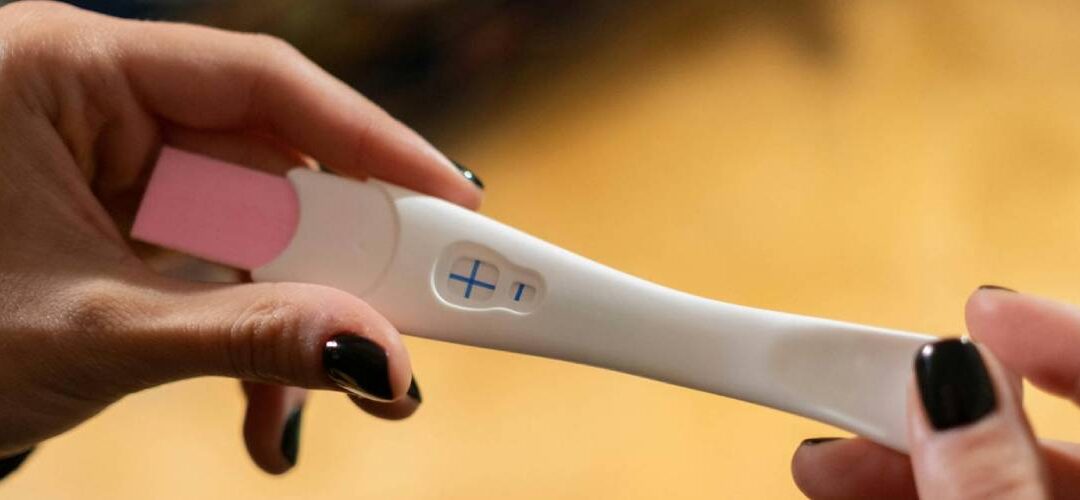
Understanding Pregnancy Timing
Pregnancy is typically divided into three trimesters, each with its own milestones.
- First Trimester: 0 to 13 weeks and 6 days
- Second Trimester: 14 to 27 weeks and 6 days
- Third Trimester: 28 weeks to birth
Prenatal Care Visits
Regular prenatal care is essential for monitoring your health and your baby’s development. Here’s the typical visit schedule:
- Before 28 weeks: every 4 weeks
- From 28 to 36 weeks: every 2 to 3 weeks
- After 36 weeks: weekly until delivery
During these visits, your provider will check your blood pressure, weight, baby’s growth, and heart rate. Specific testing is done at different times:
- First visit: Includes a physical and pelvic exam, routine labs (CBC, blood type, infections, HIV, Pap smear), and genetic screening
- 10 weeks: You may be offered an NIPT (non-invasive prenatal test) for chromosomal conditions
- 15 to 20 weeks: Genetic screening such as the quad screen; fundal height is measured
- 24 to 28 weeks: Glucose testing for gestational diabetes; Rh-negative patients receive Rhogam
- 29 to 41 weeks: Screening for infections (including HIV, syphilis, and Group B Strep), and monitoring baby’s position and heartbeat
Group B Strep (GBS) testing is performed between 36 and 37 weeks and 6 days, as this helps guide antibiotic use during labor.
Vaccines During Pregnancy
Pregnant individuals are advised to receive the following vaccines:
- Influenza (flu): safe anytime during pregnancy
- Tdap: recommended at 27 weeks to protect newborns from pertussis (whooping cough)
- RSV: may be recommended between 32 and 36.6 weeks depending on individual risk
Common Concerns During Pregnancy
Weight Gain
Healthy weight gain depends on your pre-pregnancy BMI:
- Underweight (BMI <18.5): gain 28–40 pounds
- Normal weight (BMI 18.5–24.9): gain 25–35 pounds
- Overweight (BMI 25–29.9): gain 15–25 pounds
- Obese (BMI ≥30): gain 11–20 pounds
Most weight gain occurs in the second and third trimesters. Your healthcare provider will monitor this and offer support along the way.
Obesity in Pregnancy
Weight loss is not recommended during pregnancy. Instead, maintaining steady, healthy weight gain is key. Obesity can increase the risk of gestational diabetes, preeclampsia, cesarean delivery, infections, and postpartum complications. It can also raise the risk of birth defects, stillbirth, large baby size, and developmental issues. Additionally, it may reduce the accuracy of prenatal testing and ultrasound imaging.
Nutrition and Supplements
Caloric Needs
Your calorie needs increase as pregnancy progresses:
- First trimester: no extra calories needed
- Second trimester: about 350 extra calories per day
- Third trimester: about 450 extra calories per day
- Breastfeeding: approximately 500 extra calories per day
Key Nutrients and Prenatal Supplements
A well-balanced diet along with a prenatal vitamin helps meet the increased nutritional demands of pregnancy. The following nutrients are essential:
Folic Acid (Vitamin B9):
Take 400–800 micrograms daily, starting at least one month before pregnancy and continuing through the first trimester. Folic acid helps prevent serious birth defects of the brain and spine (neural tube defects).
High-risk women (e.g., with a prior baby with NTD) may be advised to take 4,000 mcg (4 mg) daily.
Iron:
Take 27 mg daily to support increased blood volume and prevent anemia. Most prenatal vitamins include iron.
Calcium:
Aim for 1,000 mg daily (1,300 mg for teens) to support fetal bone development and protect your own bones.
Vitamin D:
Aim for 600 IU daily. Some women may need 1,000–2,000 IU if deficient. Vitamin D helps with calcium absorption and bone health.
Iodine:
Consume 220 mcg daily during pregnancy (290 mcg while breastfeeding). Iodine supports thyroid function and brain development.
Choline:
Aim for 450 mg per day. Choline supports early brain development and may reduce the risk of neural tube defects. Many prenatal vitamins do not include enough, so ask your provider if additional supplementation is needed.
Omega-3 Fatty Acids (DHA/EPA):
A daily intake of 200–300 mg of DHA supports brain and eye development. If you don’t eat fish, ask about DHA supplements (often sourced from algae).
When to Start Folic Acid
It’s ideal to start taking folic acid at least one month before trying to conceive. Because many pregnancies are unplanned, it’s recommended that all women of reproductive age take 400 mcg of folic acid daily.
Foods to Avoid During Pregnancy
To reduce the risk of foodborne illness or toxin exposure, avoid:
- Unpasteurized milk, cheeses, or juices
- Undercooked or raw fish, eggs, or meats
- Deli meats unless reheated to steaming
- High-mercury fish (like shark, swordfish, king mackerel, and bigeye tuna)
Refer to the Environmental Protection Agency (EPA) and FDA guidelines on safe fish during pregnancy.
Lifestyle and Activity
In most healthy pregnancies, you can continue your usual activities with some adjustments:
- Exercise: 30 minutes of moderate activity is encouraged most days
- Work: You can usually continue working until labor unless advised otherwise
- Travel: Air travel is safe up to 36 weeks for most women
- Bathing: Avoid hot tubs or baths over 100°F, especially early in pregnancy
- Caffeine: Safe in moderation (less than 200 mg/day)
- Alcohol and tobacco: Both are unsafe in pregnancy and should be avoided entirely
- Illicit drugs: Can severely harm your baby’s development and should be avoided
- Medications: Always check with your doctor before taking over-the-counter or prescription drugs
Pregnancy Symptoms
Many physical symptoms are normal in pregnancy. Common issues include:
- Nausea and vomiting
- Heartburn (GERD)
- Constipation and hemorrhoids
- Back pain, sciatica, and round ligament pain
- Restless leg syndrome
- Increased white vaginal discharge (leukorrhea)
Leukorrhea is common and typically normal, but if discharge is foul-smelling, green or yellow, or causes itching, a genital culture may be needed to rule out infection.
A Few Warning Signs: When to Go to the Emergency Room (ER)
Seek immediate care if you experience:
- Severe nausea and vomiting preventing you from eating or drinking
- Vaginal bleeding
- Leaking of fluid (your water may have broken)
- Contractions occurring every 5 minutes or intensifying
- Decreased or absent fetal movement (especially after 28 weeks)
Additionally, if you have high blood pressure (the top number (systolic) of 140 or higher or bottom number (diastolic) of 90 or higher), and experience symptoms such as:
- Persistent headache not relieved by Tylenol
- Blurry vision or seeing spots
- Chest pain or shortness of breath
- Right upper belly pain
- Swelling in the face or hands
If you have severe range Blood pressure either the top number (systolic) of 160 or higher and/or bottom number.